
 By Car etmhtml5game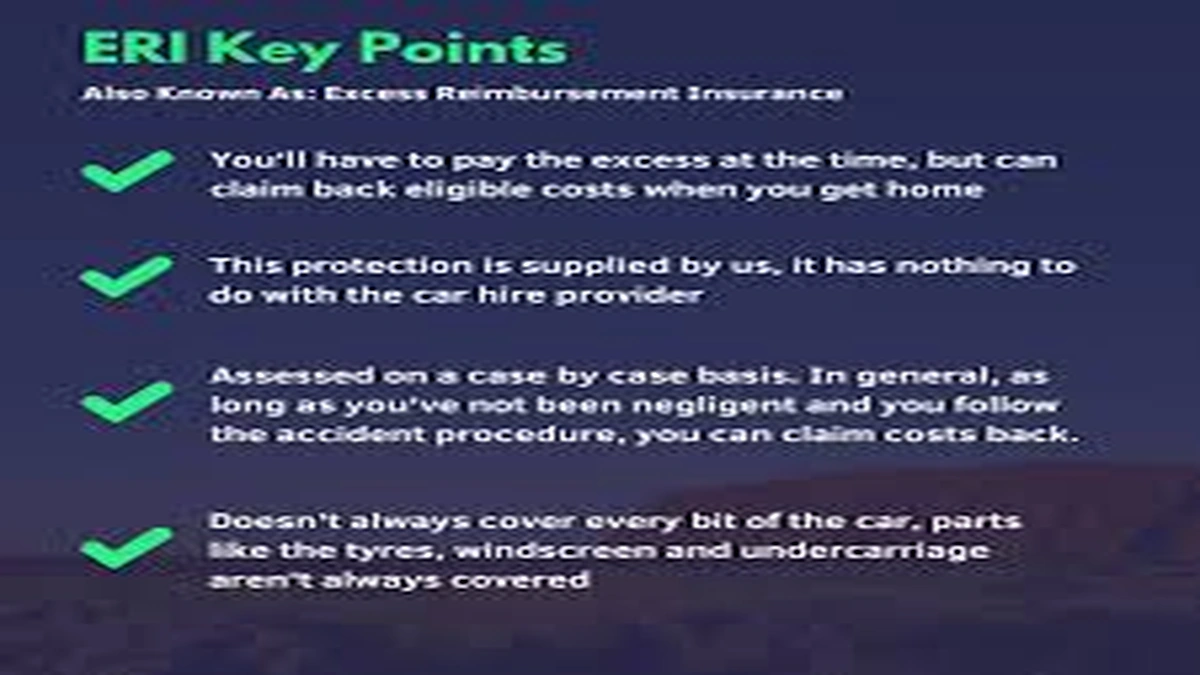
Ever found yourself staring at your car insurance policy, eyes glazing over as you try to decipher terms like “excess”? You’re not alone, my friend. It’s one of those bits of jargon that insurers toss around, and frankly, it can feel like a secret handshake you’re not privy to. But here’s the thing: understanding your car insurance excess isn’t just about avoiding a nasty surprise when you make a claim; it’s about being a savvy driver and potentially saving yourself a packet.
Today, we’re going to pull back the curtain oncar insurance excess explained UKstyle. We’ll go beyond the dry definitions and get to the heart of what it really means for you, how it impacts your wallet, and crucially, how you can navigate it like a pro. Think of me as your personal guide through this slightly bewildering landscape. Let’s get started, shall we?
What Exactly is Car Insurance Excess, Anyway? No More Head Scratching!

Alright, let’s cut to the chase. At its simplest, car insurance excess is the amount of money you agree to pay towards the cost of a claim before your insurer chips in. It’s your contribution, essentially. Imagine you ding your car, and the repair bill comes to £1,000. If your total excess is £250, you pay that £250, and your insurer covers the remaining £750. Easy enough, right? Well, it gets a little more nuanced, because there are two main types you’ll encounter:
Compulsory Excess | The Non-Negotiable Bit
This is the fixed amount set by your insurer, and you can’t really change it. It varies based on factors like your age, driving experience, the type of car you drive, and even your postcode. For instance, younger drivers or those with powerful cars often face a higher compulsory excess because they’re seen as a higher risk. This isn’t up for debate; it’s part of the deal. It’s their way of managing risk, and it’s a standard feature of anyinsurance policy.
Voluntary Excess | Your Strategic Play
Now, this is where things get interesting and where you have some control. The voluntary excess is an additional amount you choose to pay on top of the compulsory excess. Why on earth would you volunteer to pay more, you ask? Good question! The logic is this: if you agree to pay a higher voluntary excess, you’re signaling to the insurer that you’re less likely to make small claims, or that you’re a careful driver. In return, they often reward you with a lower overall car insurance premium . It’s a bit of a gamble, isn’t it? You’re betting you won’t need to make a claim, or if you do, you can comfortably afford your total excess.
So, when you see “total excess” on your policy, remember it’s usually the compulsory excess + the voluntary excess. Understanding this distinction is key to mastering your insurance deductible UK style.
The Nitty-Gritty | Compulsory vs. Voluntary Excess – Your Choices, Your Cash
Let’s talk strategy. Choosing your voluntary excess isn’t just a random number game; it’s a careful balance. On one hand, a higher voluntary excess can significantlyreduce car insurance excessand bring down your annual premium. That sounds appealing, especially when every penny counts, right?
But here’s the rub: if you do need to make a claim, you’ll have to cough up that total excess. So, before you opt for a super-high voluntary excess to snag a cheaper premium, ask yourself honestly: “Could I comfortably afford to pay, say, £500 or £1,000 out of pocket right now if something happened to my car?” If the answer is a hesitant “maybe” or a definite “no,” then perhaps a lower voluntary excess, even with a slightly higher premium, is the safer bet for your peace of mind.
I’ve seen people make the mistake of choosing an excess they can’t afford, only to find themselves in a real pickle after an accident. It’s a classic example of being penny-wise and pound-foolish. Your policy excess should be manageable in a crisis, not a cause of further financial stress.
When Does Excess Come into Play? Understanding Your Claim
The claim excess is paid when you make a claim that’s your fault, or if the fault can’t be proven (like a hit-and-run where the other driver isn’t identified). This is crucial. If someone else is clearly at fault and their insurer pays for the damages, you typically won’t have to pay your excess. Your insurer will usually recover their costs (and your excess) from the third-party insurer. However, this process can sometimes take a while, and you might still have to pay your excess upfront and wait for reimbursement.
What about situations where excess doesn’t apply? Well, generally, if you’re making a claim for things like fire damage, theft, or a total loss, your excess will still apply. But some policies, particularly comprehensive ones, might waive the excess for certain claims, like windscreen repairs, or offer specific add-ons that protect your no claims bonus and excess in certain circumstances. Always, always check your specific policy documents for the exact details. The devil, as they say, is in the details!
The Smart Driver’s Guide | How to Reduce Your Car Insurance Excess (and Still Stay Covered)
While the compulsory excess is largely out of your hands, there are definitely ways to strategically manage and even reduce excess without compromising your coverage. It’s about being proactive and informed:
- Drive Safely & Build Your No Claims Discount: This is probably the most powerful tool in your arsenal. The longer you drive without making a claim, the higher your no claims discount (NCD) will be, leading to significantly lower premiums. A higher NCD often means insurers are more willing to offer lower excesses too.
- Choose Your Voluntary Excess Wisely: As we discussed, a higher voluntary excess can lower your premium. Just ensure it’s an amount you can genuinely afford if the worst happens.
- Improve Your Car’s Security: Alarms, immobilisers, tracking devices – these can all make your car less appealing to thieves, reducing the risk in the eyes of insurers and potentially leading to better terms, including lower excess.
- Consider a Telematics Policy: If you’re a careful driver, a “black box” policy can prove it. Insurers use telematics data to offer personalised premiums and sometimes lower excesses to safe drivers.
- Shop Around Annually: Never just auto-renew! Comparison sites are your best friend here. Different insurers have different appetites for risk and different pricing structures, so you might find a similar policy with a lower excess elsewhere.
- Review Your Coverage Needs: Are you paying for add-ons you don’t really need? Stripping back unnecessary extras won’t directly lower your excess, but it can reduce your overall premium, making a slightly higher excess feel more palatable.
Remember, the goal isn’t just the cheapest premium; it’s the best value – a policy that fits your budget and provides adequate protection without leaving you financially vulnerable if you need to make a making a claim .
Beyond the Basics | Hidden Traps and What to Watch Out For
It’s not always straightforward, is it? Sometimes there are extra layers to the excess puzzle. For example, some policies have specific additional excesses for certain situations:
- Young Driver Excess: If a young or inexperienced driver is on your policy and makes a claim, there might be an extra excess on top of the standard one.
- Uninsured Driver Excess: Some policies will waive your excess if you’re hit by an uninsured driver, but others might still apply it, especially if you can’t identify the other party.
- Vehicle Type Specific Excess: Certain high-performance or modified vehicles might have higher excesses due to increased repair costs or risk.
Always read your policy documents thoroughly. I know, I know, it’s not exactly gripping bedtime reading, but understanding these nuances can save you a lot of grief (and money) down the line. Don’t be afraid to call your insurer and ask for clarification if something isn’t clear. That’s what they’re there for!
Your Burning Questions About Car Insurance Excess, Answered
What if I can’t afford to pay my car insurance excess?
This is a tough spot, and frankly, it’s why choosing your voluntary excess wisely is so important. If you can’t pay, your insurer won’t authorise repairs until the excess is paid. This could delay your repairs or even mean your car isn’t fixed. In extreme cases, they might deduct the excess from any payout for a total loss. Some insurers offer payment plans, but it’s not guaranteed, so always check upfront.
Does car insurance excess apply if the accident wasn’t my fault?
Generally, no, not in the long run. If the other driver is clearly at fault and their insurer accepts liability, your insurer will typically reclaim your excess from them. You might have to pay it upfront, but it should be reimbursed. However, if fault is disputed or the other driver is uninsured/unidentified, you might still bear the cost of your excess.
Can I get excess protection insurance?
Yes, you can! Excess protection insurance is a separate policy that covers your excess if you make a claim. It essentially reimburses you the excess amount you paid. It can be a good option if you want the lower premiums that come with a higher voluntary excess but are worried about the upfront cost of a claim.
Will my excess change if I modify my car?
Potentially, yes. Modifications, especially those that increase performance or value, can increase your risk profile in the eyes of an insurer. This could lead to higher premiums and potentially an increased compulsory excess. Always declare any modifications to your insurer.
Is insurance deductible UK the same as car insurance excess?
Yes, absolutely! “Insurance deductible” is the term commonly used in the US, while “insurance excess” is the standard terminology in the UK. They both refer to the same concept: the amount you pay out of pocket before your insurance coverage kicks in.
So, there you have it. Car insurance excess explained UK style, from someone who’s seen the confusion it causes. It might seem like a small detail in the grand scheme of your policy, but it’s a powerful lever that can impact both your annual costs and your financial stability after an incident. By understanding the difference between compulsory and voluntary excess, making informed choices, and staying on top of your policy, you’re not just buying insurance; you’re investing in smart protection. Drive safe, and drive savvy!