
 By Car etmhtml5game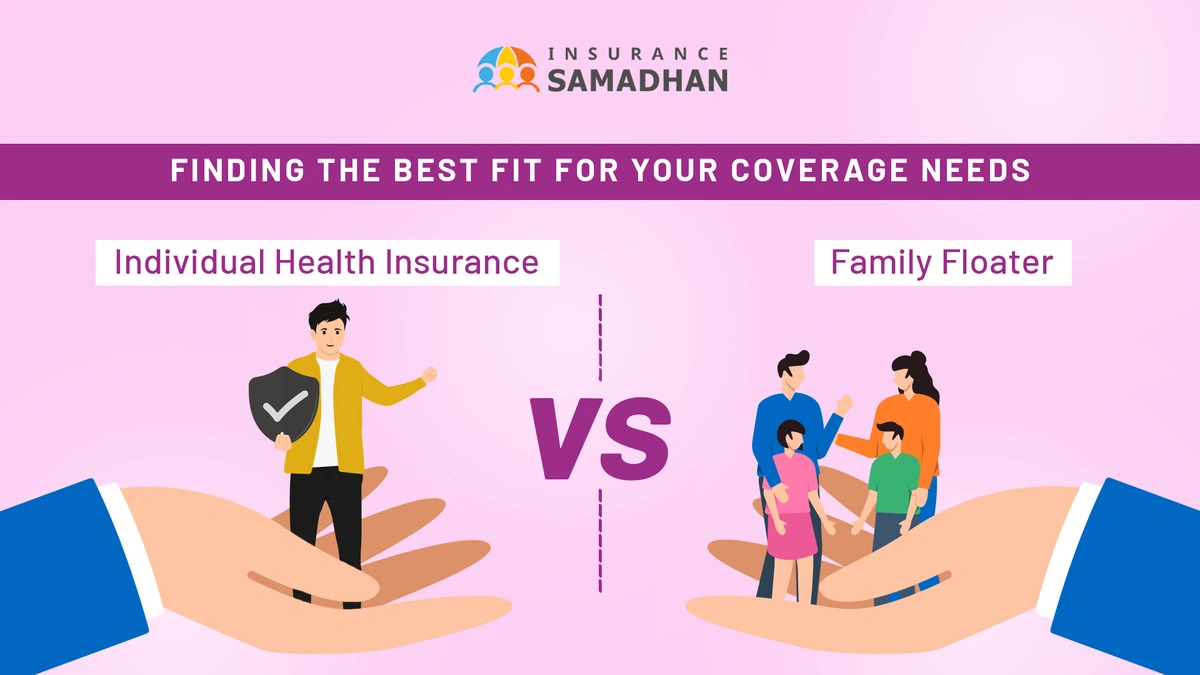
Let’s be honest, navigating the world of insurance in India can feel like trying to solve a Rubik’s Cube blindfolded. One term, however, keeps popping up when we talk about securing our loved ones’ health: family floater health insurance. But what exactly is it? And more importantly, is it the right move for your family? I’ve seen countless families grapple with this decision, often getting bogged down by jargon and endless comparisons. My goal today is to cut through the noise, offering you a clear, actionable guide – your personal playbook, if you will – to truly understand this crucial financial tool. We’re going to dive deep, not just scratching the surface, but exploring the ‘how’ and ‘why’ behind making informed choices for your family’s health cover.
What Exactly is a Family Floater Health Insurance Policy, Anyway?
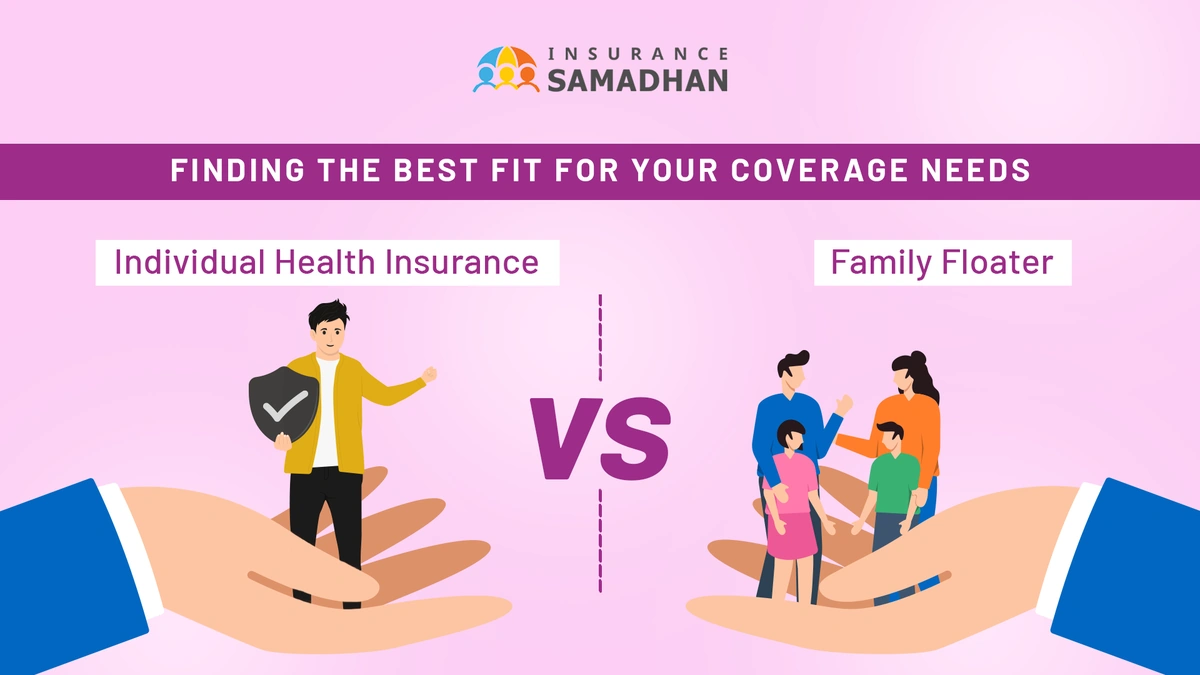
Alright, let’s start with the basics, because understanding the foundation is key. Imagine a common pool of money, right? Now, picture your entire family – you, your spouse, and your children (sometimes even dependent parents, though that’s a separate discussion for another day) – all drawing from that single pool for their medical expenses. That, in essence, is what a family floater health insurance policy is. Instead of buying individual health plans for each member, which can often be cumbersome and more expensive, a single sum insured ‘floats’ among all covered members.
Here’s the thing: if one family member unfortunately needs hospitalization, they can utilize the entire sum insured. If another member falls ill later in the policy year, they can also draw from the remaining balance. It’s designed for efficiency, particularly for nuclear families. The contrast with anindividual health policyis stark: with individual plans, each person has their own dedicated sum insured, which might not be fully utilized, yet you’re paying separate premiums. A floater health plan, on the other hand, banks on the statistical reality that not everyone in the family will fall seriously ill at the same time.
What fascinates me about this concept, especially in India, is how perfectly it aligns with our family-centric culture. It’s a collective shield, providing peace of mind knowing that should medical emergencies strike, the financial burden is distributed and managed effectively under one comprehensive umbrella. It truly simplifies managing yourhealth insuranceneeds. But how do you pick the right size for this ‘pool’?
Decoding the ‘Sum Insured’ | How Much Cover Does Your Family REALLY Need?
This is where many people get stuck. Choosing the right `sum insured for family` isn’t about pulling a number out of thin air; it’s a strategic decision based on several factors. A common mistake I see people make is underestimating future medical costs, especially with the relentless rise of healthcare expenses in India. Think beyond just a flu shot; consider potential hospitalizations, surgeries, or chronic disease management. A good thumb rule? Start with at least ₹5-10 lakhs for a family of four in a metro city. But that’s just a starting point.
Consider your family’s health history. Are there any inherited conditions? Does anyone have a pre-existing disease that might require regular monitoring or potential treatment? Also, think about your lifestyle and the city you live in. Medical costs in Mumbai or Delhi are significantly higher than in a Tier-2 city. I always advise clients to do a quick mental (or actual) calculation of what a typical appendectomy or a dengue fever hospitalization might cost in their nearest reputable hospital. That gives you a realistic benchmark.
When you’re looking at health insurance for family, remember that inflation isn’t just for groceries. Medical inflation often outpaces general inflation. So, what seems like a sufficient `sum insured for family` today might fall short in five or ten years. Look for plans with a restoration benefit (where the sum insured refills if exhausted) or a super top-up option for added protection. It’s about being proactive, not reactive, when it comes to securing your family’s financial future against health crises.
Beyond the Basics | Key Features and Benefits You Can’t Ignore
A family floater health insurance policy is much more than just hospitalization cover. The truly valuable plans offer a suite of benefits that can make a world of difference during a health crisis. For instance, `cashless hospitalization India` is a game-changer. Imagine rushing to the hospital, your mind already racing with worry, only to realize you don’t have to scramble for cash to pay the bills. The insurance company settles directly with the network hospital. This feature alone provides immense relief and allows you to focus solely on your loved one’s recovery.
Another critical aspect is the `pre-existing diseases cover`. Most policies have a waiting period (typically 2-4 years) before conditions like diabetes or hypertension, which you had before buying the policy, are covered. Understanding this waiting period is paramount. Similarly,family health insurance categoryplans often include features like pre and post-hospitalization expenses, daycare procedures, and even ambulance charges. Some premium plans might even offer `maternity benefits family floater` coverage, which is a huge consideration for young couples planning a family. It’s not standard in all policies, so if it’s important to you, make sure to specifically look for it and understand its sub-limits and waiting periods.
Don’t forget the tax benefits! Premiums paid for medical insurance for family are eligible for deduction under Section 80D of the Income Tax Act. This isn’t just about protection; it’s about smart financial planning too. While tax benefits are a nice bonus, the primary driver should always be comprehensive coverage for your loved ones.
The Fine Print | Common Mistakes and How to Avoid Them
Now, this is where my experience really kicks in. Over the years, I’ve seen people make some easily avoidable blunders when dealing with their family floater health insurance. Let me rephrase that for clarity: these aren’t just minor oversights; they can lead to significant financial heartache when you need your policy most. The most common one? Not reading the policy document thoroughly. Yes, it’s dense, full of legal jargon, but those few hours spent understanding it can save you lakhs.
Another pitfall is focusing solely on the lowest `health insurance premium`. While affordability is important, a cheaper plan often means less comprehensive coverage, higher deductibles, or more exclusions. It’s a classic case of ‘you get what you pay for.’ Always compare plans not just on price, but on features, benefits, sub-limits, and network hospitals. Forgetting to disclose `pre-existing diseases cover` or any other relevant medical history is a grave error. Insurance is built on utmost good faith; non-disclosure can lead to claim rejection, leaving your family vulnerable.
Also, don’t underestimate the impact of an aging family member. As policyholders get older, premiums can increase significantly, and certain conditions might become exclusions. It’s crucial to review your family health policy periodically, perhaps every 3-5 years, to ensure it still meets your evolving needs. And for goodness sake, keep a digital copy accessible to all adult family members, along with the insurer’s contact details!
Choosing Your Champion | Tips for Comparing and Selecting the Best Plan
So, you’re armed with knowledge. Now, how do you go about finding the `best family health insurance plan`? This isn’t about picking the first shiny option you see; it’s about diligence. Firstly, begin by evaluating your family’s unique needs. Do you need extensive maternity benefits? Is a high `sum insured for family` critical due to chronic conditions? Or are you a young family simply looking for solid, affordable protection against unforeseen events?
Next, it’s imperative to `compare health insurance plans` from various providers. Don’t just stick to the big names; sometimes smaller, specialized insurers offer more tailored or `affordable family health insurance` options. Look at the claim settlement ratio (CSR) of the insurer. A high CSR (90%+) indicates that the company is reliable in processing claims. Also, scrutinize their network of hospitals. Do they have tie-ups with the hospitals you trust and are likely to visit?
Consider aspects like no-claim bonus (NCB), which rewards you with increased sum insured for not making a claim, and policy portability, which allows you to switch insurers without losing benefits. While a comprehensive family coverage might seem expensive upfront, weigh it against the potential out-of-pocket expenses during a medical emergency. Don’t hesitate to seek advice from a trusted insurance advisor; their expertise can be invaluable in demystifying the choices and ensuring you get a plan that truly serves your family’s best interests. This isn’t just about ticking a box; it’s about making a secure investment in your family’s future.
Frequently Asked Questions About Family Floater Health Insurance
What is the main difference between individual and family floater policies?
An individual policy provides a separate sum insured for each member, while a family floater health insurance policy offers a single, shared sum insured that any family member can use until it’s exhausted.
Can I add new family members to my existing family floater plan?
Yes, most floater health plans allow you to add new family members, like a newborn or a newlywed spouse, during policy renewal or within a specific timeframe (e.g., 30-90 days for a newborn).
Are pre-existing diseases covered under a family floater policy?
Yes, but typically after a waiting period, which can range from 2 to 4 years from the policy’s start date. It’s crucial to disclose all `pre-existing diseases cover` during policy application.
How is the premium for family floater health insurance calculated?
The `health insurance premium` for a family floater health insurance plan is generally based on the age of the eldest member covered in the policy, along with other factors like sum insured, coverage features, and medical history.
What happens if the sum insured is exhausted in a family floater plan?
Once the `sum insured for family` is fully utilized by one or more members, no further claims can be made under that policy for the remainder of the policy year, unless the policy includes a ‘restoration benefit’ which automatically refills the sum insured once (or more) in a policy year.
Choosing the right family floater health insurance is more than just a financial decision; it’s a profound commitment to your family’s well-being. It’s about providing a safety net, an assurance that should the unexpected happen, you’re prepared. Don’t just sign on the dotted line; understand, question, and choose wisely. Your family deserves nothing less than a well-thought-out plan that truly protects their future.