
 By Car etmhtml5game
So, you’re looking into car insurance, and somewhere along the line, you’ve heard about this magical thing called a zero depreciation car insurance policy . Sounds too good to be true, right? Like a cheat code for car owners? Well, not exactly a cheat code, but definitely a game-changer if you know how to play your cards right. In India, where every rupee saved feels like a small victory, understanding this policy can make a massive difference when your beloved ride unfortunately meets with an accident.
Let’s be honest, the world of insurance can feel like a labyrinth, full of jargon and fine print that makes your eyes glaze over. But here’s the thing: a zero depreciation add-on isn’t just another fancy term; it’s a powerful tool that, when wielded correctly, can save you from significant out-of-pocket expenses during claims. My goal today is to cut through the noise, clear the confusion, and guide you, step-by-step, on how this policy actually works, who it’s truly for, and how to make an informed decision that saves you both money and headaches.
Think of me as your co-pilot, navigating the twists and turns of insurance policies, helping you spot the hidden potholes and unexpected detours. We’re not just talking about what it is ; we’re diving deep into how you can leverage it for maximum benefit. Let’s get started, shall we?
What Exactly is a Zero Depreciation Car Insurance Policy, Anyway?
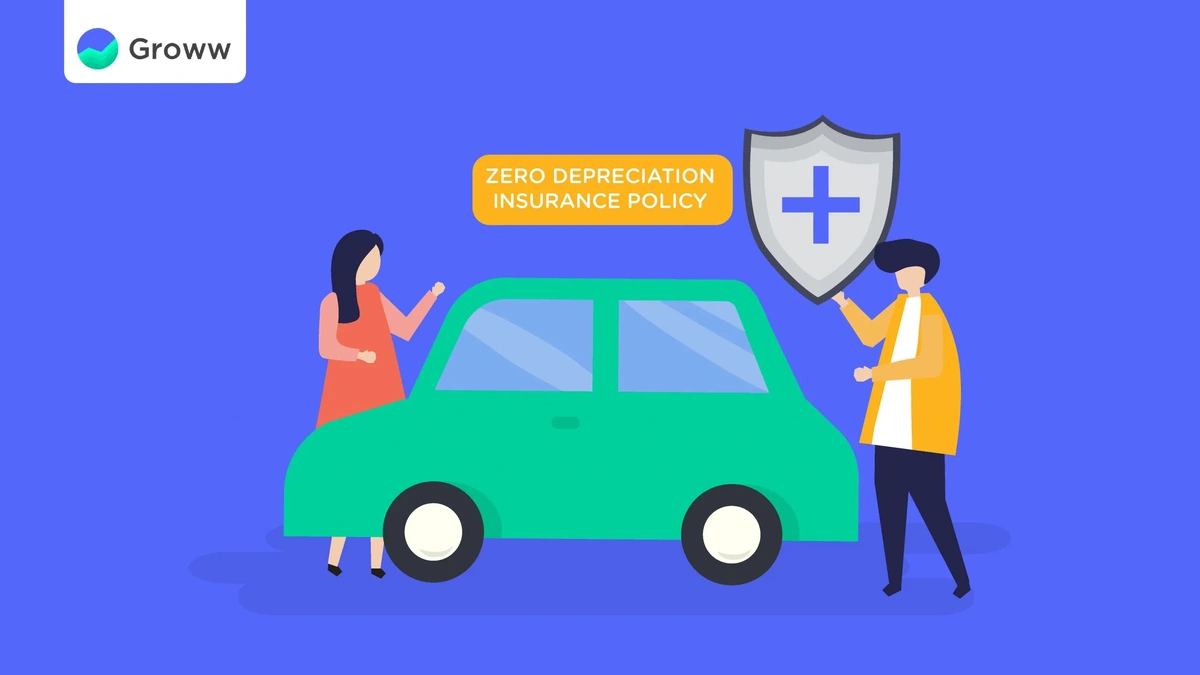
Alright, first things first. What’s the big deal with ‘zero dep’? In simple terms, a standardcar insurancepolicy, especially a comprehensive one, factors in depreciation when calculating your claim settlement. What’s depreciation? It’s the natural wear and tear, the loss of value your car parts suffer over time. Think about it: a brand-new headlight isn’t worth the same after two years as it was on day one. So, if that headlight gets damaged, your insurer, under a regular policy, will deduct a certain amount for its depreciated value.
This is where the zero depreciation car insurance policy , often called ‘ bumper to bumper insurance ‘ in common parlance, steps in like a superhero. With this add-on, your insurance company agrees not to deduct any amount for depreciation on most parts of your car (like plastic, rubber, metal parts) when settling a claim. You get the full repair or replacement cost, minus your deductible, of course. This means significantly lower out-of-pocket expenses for you, which, trust me, feels like a warm hug when you’re already stressed about your car.
Let me rephrase that for clarity: imagine your car is involved in an accident. Without zero dep, if a fender needs replacing, the insurer looks at how old that fender is, applies the relevant depreciation rates (which can range from 0% for glass, 50% for plastic/nylon, to a sliding scale for metal parts based on age), and then pays you the reduced amount. With zero dep, for those specific parts covered, they ignore the depreciation and pay for the new part’s full cost. It’s a game-changer, particularly for newer vehicles where every part is still relatively new and expensive to replace.
The Nitty-Gritty | How Zero Dep Insurance Really Works for Your Claims
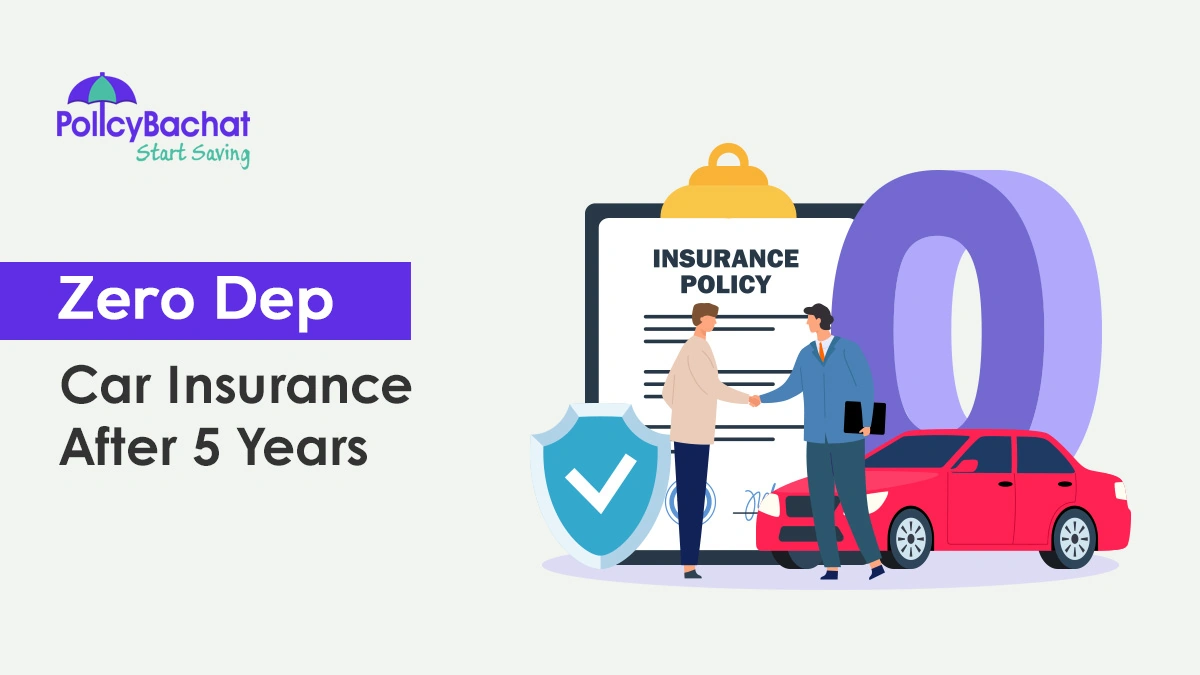
Now, let’s talk about the real-world impact. How does this actually play out when you file a claim? This is the ‘how’ many people miss, focusing only on the ‘what’.
Imagine two scenarios:
- Scenario 1: No Zero Dep Policy. Your 3-year-old car, worth ₹8 lakhs (its Insured Declared Value (IDV)), suffers damage to its plastic bumper and a metal door. The repair bill is ₹50,000. Your insurer applies depreciation: say, 50% on the plastic bumper and 15% on the metal door. You end up paying not just your compulsory deductible (which is typically ₹1,000 or ₹2,000) but also the depreciation amount, which could easily be another ₹10,000-₹15,000. That sudden hit to your wallet can sting, especially when you thought insurance would cover it all.
- Scenario 2: With a Zero Dep Policy. Same car, same damage, same ₹50,000 bill. With your zero depreciation car insurance policy in place, the insurer waives the depreciation deductions on those plastic and metal parts. You only pay your compulsory deductible. The difference? A significant chunk of savings, which for a substantial repair, can be the cost of a new smartphone or even more!
The key here is understanding that while a comprehensive car insurance policy covers damage, a zero dep add-on enhances that coverage by removing the depreciation factor from many parts. This directly impacts your claim settlement amount, often resulting in a higher payout from the insurer and less financial burden on you. It’s particularly vital for those with new cars, luxury vehicles, or even just those who want absolute peace of mind against unexpected repair costs. Knowing this ‘how’ helps you appreciate the true value proposition.
Is Zero Dep Your Perfect Match? Unpacking the Pros, Cons, and Hidden Catches
It sounds fantastic, doesn’t it? But like all good things, a zero depreciation car insurance policy isn’t without its nuances. Let’s break down whether this add-on is truly right for you, understanding both the clear advantages and the not-so-obvious considerations.
Pros of a Zero Depreciation Policy |
- Maximum Claim Payout: This is the big one. You get closer to the full repair or replacement cost for damaged parts, significantly reducing your out-of-pocket expenses. This is a major one of the zero dep policy benefits.
- Peace of Mind: Knowing that minor dents and major repairs won’t cost you a fortune out of pocket can be incredibly reassuring, especially for new car owners who are naturally more protective.
- Ideal for New Cars: For vehicles up to 5-7 years old (depending on the insurer), this add-on is a no-brainer. Newer parts are more expensive to replace, and depreciation hits them harder initially.
- Luxury Car Owners: If you drive a premium or luxury car, the cost of parts can be astronomical. A zero dep cover ensures you’re not left with a massive bill after an accident.
Cons and Hidden Catches |
- Higher Premiums: There’s no free lunch! A zero dep add-on will increase your overall car insurance premium, sometimes by 15-20% or even more. You need to weigh this extra cost against the potential savings during a claim.
- Age Restrictions: Most insurers only offer zero dep for cars up to a certain age, typically 5 to 7 years. After that, you usually can’t renew it.
- Claim Limits: Insurers often cap the number of zero dep claims you can make in a policy year (e.g., 2 claims). While this is usually sufficient for most, it’s something to be aware of.
- Exclusions Exist: This is crucial. While it covers most major parts, some items like consumables (engine oil, nuts, bolts, washers, grease, etc.) or uninsured parts are usually still subject to depreciation or are completely excluded. Knowing these zero dep insurance exclusions beforehand prevents unpleasant surprises. For instance, damage to tires or batteries might not be covered under zero dep unless you have specific add-on covers for them.
- Higher Deductibles: Sometimes, insurers might impose a slightly higher voluntary deductible with zero dep policies.
So, who should consider this? If you’ve just bought a new car, especially an expensive one, or if you’re a new driver prone to minor mishaps, or if you drive frequently in high-traffic areas, a zero depreciation car insurance policy is likely a wise investment. However, if your car is older than 7 years, or has a very low market value, the increased premium might not justify the benefits. It’s about finding that sweet spot where the protection outweighs the cost for your specific situation. For more generalinsurancequeries, it’s always good to consult with experts.
Navigating the Policy Maze | Essential Tips Before You Buy
Decided that a zero depreciation car insurance policy might be for you? Excellent! But before you jump in, there are a few critical things you absolutely must double-check. A common mistake I see people make is simply comparing premiums without truly understanding what they’re getting. It’s not just about the lowest price; it’s about the best value and coverage for your needs.
- Compare Insurers Diligently: Don’t just stick to the first quote. Different insurers have different terms, conditions, and, yes, even different definitions of what ‘zero dep’ covers. Some might have more stringent age limits for your vehicle, others might have different caps on claims. Use online comparison portals, but also check the official websites of insurers. For instance, the IRDAI (Insurance Regulatory and Development Authority of India) provides guidelines that insurers must adhere to; familiarizing yourself with these general principles can be helpful (you can check their site at irdai.gov.in).
- Read the Fine Print (Seriously!): I know, I know, it’s boring. But this is where the zero dep insurance exclusions are hidden. Are consumables covered? What about batteries and tires? What’s the maximum number of claims allowed? Understanding these nuances prevents heartache during claim settlement. It’s where your due diligence truly pays off.
- Understand Your Car’s IDV: Your Insured Declared Value (IDV) is the maximum amount your insurer will pay in case of total loss or theft. While zero dep helps with repair costs, your IDV determines your car’s market value for total loss scenarios. Ensure it’s accurate, as a higher IDV means higher premiums but also better protection.
- Check the Claim Settlement Ratio: This is a powerful metric. The claim settlement ratio of an insurance company tells you what percentage of claims they settled in a year. A higher ratio (e.g., 90% and above) generally indicates a more reliable insurer. You can usually find these figures on the insurer’s website or aggregated by financial news portals. It offers a glimpse into their trustworthiness. For general information on car insurance, Wikipedia can be a starting point, but always refer to official and local sources for policy specifics.
- Don’t Forget About Deductibles: Even with zero dep, a mandatory deductible will apply. This is the fixed amount you pay out of your pocket during a claim. Be aware of it and factor it into your expectations.
Taking these steps will empower you to choose a policy that not only fits your budget but also genuinely protects you when you need it most. Remember, insurance isn’t just a legal requirement; it’s a financial safety net, and a well-chosen zero depreciation car insurance policy can make that net much stronger.
Frequently Asked Questions About Zero Depreciation Car Insurance
Q1 | What is the main difference between comprehensive and zero depreciation car insurance?
A comprehensive car insurance policy covers damages to your car due to accidents, theft, fire, and natural calamities, but it deducts depreciation from the value of parts during claim settlement. A zero depreciation car insurance policy is an add-on to your comprehensive policy that waives this depreciation deduction for most parts, ensuring you get a higher claim amount and pay less out-of-pocket for repairs.
Q2 | Does a zero depreciation policy cover all types of damages?
No, while it offers extensive coverage for repairs by waiving depreciation, it doesn’t cover absolutely everything. It typically covers damage to plastic, metal, and fiber parts. However, certain zero dep insurance exclusions commonly include consumables (like engine oil, nuts, bolts), tires, batteries (unless specific add-ons are purchased), and often applies only to a limited number of claims per policy year. Always check your policy document for specific details.
Q3 | Is there an age limit for cars to get a zero depreciation add-on?
Yes, most insurance providers in India offer the zero depreciation add-on for cars up to 5 years old. Some might extend this to 7 years, but it’s rare for vehicles older than that. The logic is that older cars have already depreciated significantly, and their parts are less expensive to replace compared to newer models, making the add-on less viable for insurers.
Q4 | How does a zero dep policy affect my car insurance premium?
Opting for a zero depreciation car insurance policy will increase your overall car insurance premium. This is because the insurer takes on a higher risk by promising to pay the full cost of repairs without depreciation deductions. The exact increase varies but can be anywhere from 15% to 25% over a standard comprehensive policy premium.
Q5 | Can I get zero depreciation for a used car?
Yes, you can often get a zero depreciation add-on for a used car, provided the car meets the insurer’s age criteria (typically up to 5-7 years from its manufacturing date). When buying a used car, renewing its existing policy, or opting for a new one, you can usually add this cover if the car is within the eligible age bracket. It’s a great way to protect your recent pre-owned investment.
So there you have it, folks! The complete lowdown on zero depreciation car insurance policy in India. It’s more than just an add-on; it’s a strategic choice that can profoundly impact your financial well-being as a car owner. Don’t let the jargon intimidate you. Instead, empower yourself with knowledge. Ask the right questions, read the fine print, and choose wisely. Your wallet will thank you for it when that unexpected bump or scratch inevitably happens. Drive safe, and drive smart!